



Bangladesh has stepped up efforts to mobilise stronger international support for more than 1.2 million Rohingya refugees, as declining humanitarian funding puts increasing pressure on essential services in the world’s largest refugee-hosting operation.
The Bangladesh government and the Refugee Relief and Repatriation Commissioner (RRRC) have called for greater international cooperation to sustain humanitarian assistance while keeping the focus on the ultimate objective of safe, voluntary, dignified and sustainable repatriation to Myanmar.
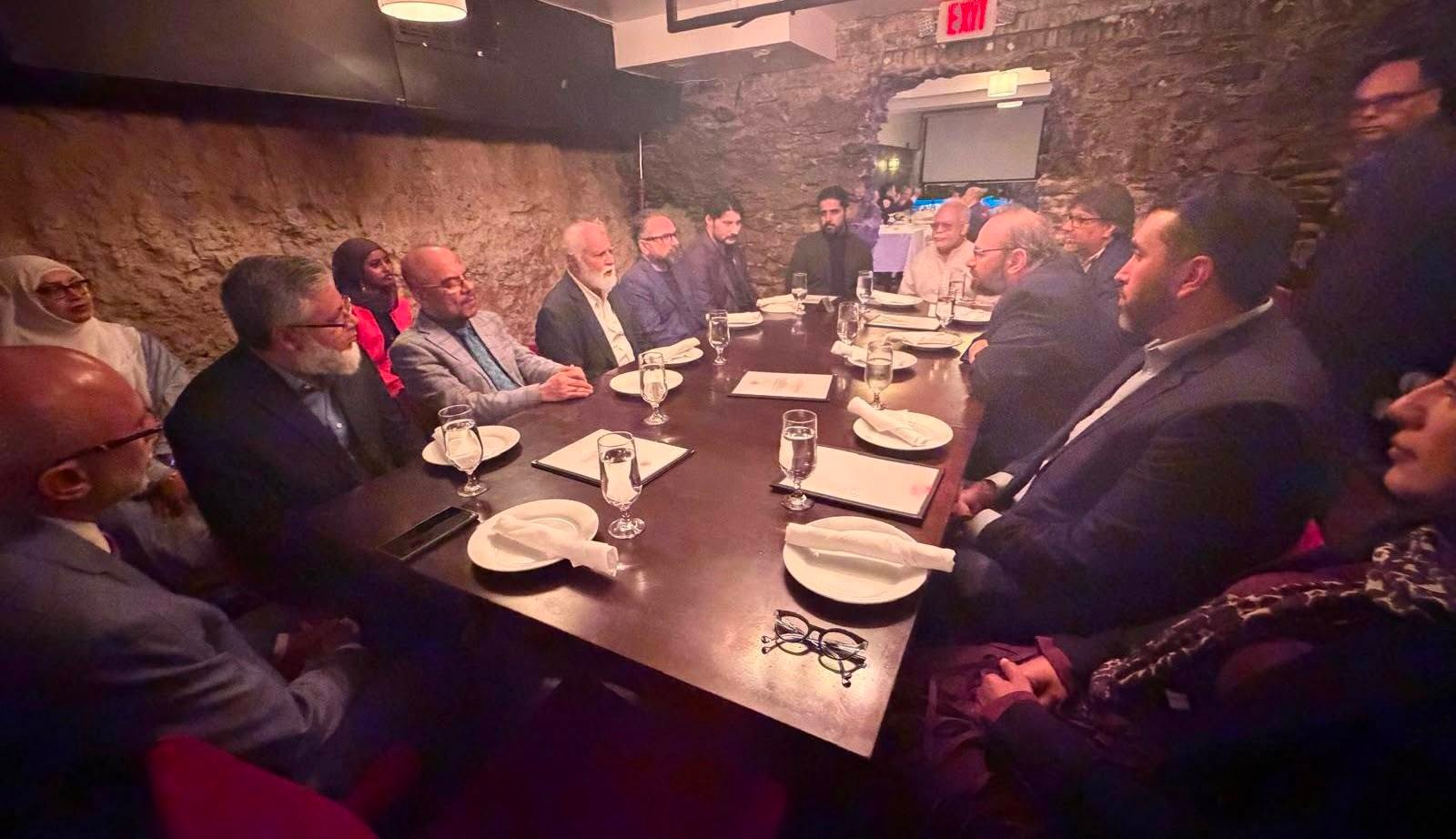
The call came at a high-level meeting in Manhattan , in New York on Thursday( 24 Sept, 2026) organized by Human Concern USA on the margins of the 81st United Nations General Assembly. Bangladesh’s State Minister for Disaster Management and Relief, M. Iqbal Hossain, and Refugee, Relief and Repatriation Commissioner RRRC M. Mizanur Rahman highlighted the need for continued international engagement as humanitarian resources for the Rohingya response come under growing pressure.
For Bangladesh, the challenge has become increasingly complex. The country continues to host more than 1.2 million Rohingya refugees, while the prospects for large-scale repatriation remain limited. At the same time, declining donor support is putting pressure on programmes providing food, healthcare, protection, education and other basic services.
Against this backdrop, Bangladesh is seeking to broaden the international response beyond emergency relief and build greater support for education, skills development and opportunities for Rohingya children and youth.
At the New York meeting, the RRRC and other participants supported the proposed Coalition for Pathway to Higher Education for Rohingya Children, an initiative aimed at creating greater access to higher education and skills development for young Rohingyas growing up in prolonged displacement.
The initiative represents an effort to address one of the longer-term consequences of the crisis. With a large proportion of the refugee population consisting of children and young people, Bangladesh is increasingly seeking international partnerships that can prevent prolonged displacement from becoming a permanent loss of educational and economic opportunities.
More than a dozen international humanitarian and charitable organizations expressed support for stronger partnerships and coordinated programmes. Their engagement could provide Bangladesh with additional avenues to mobilise resources at a time when traditional humanitarian funding is under strain.
Bangladesh has consistently maintained that humanitarian assistance remains essential but cannot substitute for a durable solution to the Rohingya crisis. The government and the RRRC are therefore pursuing a dual-track approach: maintaining essential humanitarian support for refugees in Bangladesh while pressing the international community to create conditions for their safe and sustainable return to Myanmar.
The New York meeting also underscored the growing role of education and human development in Bangladesh’s Rohingya policy. As the crisis enters its second decade, the question is no longer limited to how refugees can be kept alive and protected in camps, but also how an increasingly young population can retain access to education, skills and hope for a future beyond displacement.
For Bangladesh, sustaining international support while keeping repatriation at the centre of the diplomatic agenda remains a critical challenge as humanitarian funding continues to decline.
