



Sohel Fakruddin
Abu Jafar Chowdhury (January 1, 1950 – December 13, 2012) was a Bangladeshi freedom fighter whose role in the 1971 Liberation War left a lasting imprint on the history of South Chattogram.
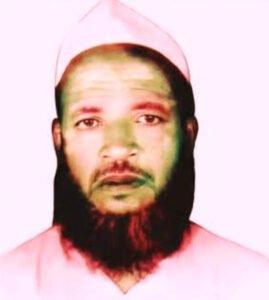
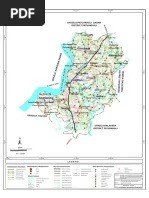
A native of Anwara upazila, Chowdhury completed his Secondary School Certificate in 1966 from Paraikora Nayan Tara High School and later enrolled in the Higher Secondary programme at Patiya Government College.
From his student years, he was actively involved in organising local youths against Pakistani rule and repression.
On August 14, 1971, during a boycott of Pakistan Day and the burning of the Pakistani flag, local collaborators (Razakars) arrested and tortured a primary school teacher and implicated 35–40 civilians in a sedition case (Case No. 565; SDO Court, Patiya; dated August 22, 1971). Chowdhury was among the accused, reflecting his direct involvement in anti-occupation activities.
After the outbreak of the war, he joined the group led by freedom fighter Shahjahan Islamabadi and later took part in multiple operations under the command of retired Havildar Nurul Islam Abu. In South Chattogram, the Liberation War was led by Sergeant Mahi Alam Chowdhury, with Havildar Abu Islam Abu as deputy commander and Shahjahan Islamabadi acting as a key political coordinator. As a member of the Freedom Fighters (FF) group, Chowdhury participated in several high-risk missions.
One of the major operations was the Anwara Police Station attack on September 23, 1971, conducted in three groups under Sergeant Mahi Alam Chowdhury. Chowdhury took part in the second group led by Havildar Abu Islam Abu.
His wartime activities also included arson at the Gujra/Khashkhama Tahsil Office, cutting telephone lines between Paraikora and Anwara, operations targeting the residence of a Razakar deputy commander, joint commando missions, intercepting rice-laden boats and distributing supplies among civilians, and assisting families affected by the Paraikora massacre of May 21, 1971.
Alongside combat, Chowdhury provided critical humanitarian support. His two-storey home in Anwara functioned as a safe shelter for wounded fighters, displaced Hindu and Buddhist families, and civilians fleeing persecution. He helped organise security and food supplies during the war.
After independence, Chowdhury focused on education and community development.
In 1995, he and his family established Mamur Khain Government Primary School on ancestral land. From 2008, he played a leading role in the reconstruction of the nearly 200-year-old Mamur Khain Jame Mosque, completed in 2012.
He was also a founding trustee of the Bir Muktijoddha Ali Mia Chowdhury–Bir Muktijoddha Abu Jafar Chowdhury Trust.
Abu Jafar Chowdhury died on December 13, 2012, at 5:00pm local time. We pray May Allah forgive his lapses and grant him eternal peace in heaven,
Sohel Fakruddin is a writer and historian.
